
Guide20 January 2026
Live Streaming vs Pre-Recorded Video: What’s Right for Your Event?
Not sure whether to live stream your event or pre-record video content? Here’s a clear comparison to help you choose the right option for your audience and goals.

Daniel Wilkinson
Founder and Operations Director, dwmedia
When planning an event, one of the biggest content decisions you’ll face is whether to live-stream it or pre-record video in advance. Both options have clear benefits, and the right choice depends on your goals, audience, and event format.
At dwmedia, we regularly work with clients who aren’t sure which approach is best. Here’s a clear breakdown to help you decide what’s right for your event.
What Is Live Streaming?
Live streaming broadcasts your event in real time to an online audience. This could be a conference, announcement, festival, panel discussion, or public meeting.
Live streaming is ideal when timing matters, and you want viewers to feel part of the moment as it happens.
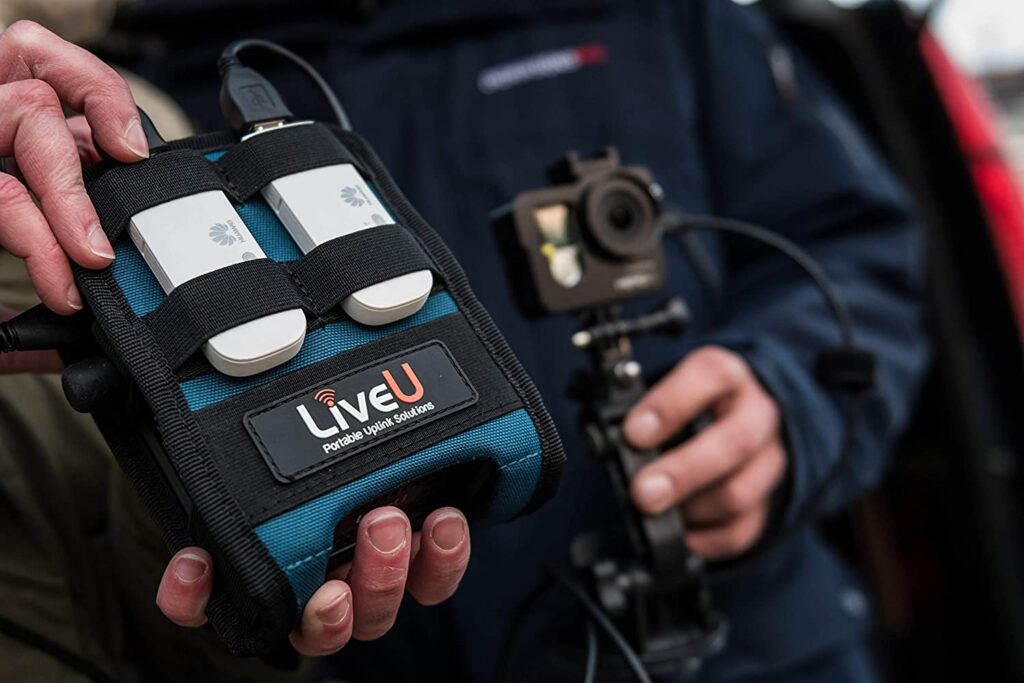
Benefits of Live Streaming
Live streaming creates immediacy and engagement. Viewers know they’re watching something happening right now, which often leads to higher attention and interaction.
It’s also well suited to events such as conferences and seminars, hybrid events with in-person and remote audiences, festivals, public meetings or announcements, and time-sensitive content.
Live streams can usually be recorded at the same time, allowing the content to be reused after the event.
Things to Consider with Live Streaming
Because it’s live, there’s no opportunity to redo sections. This means live streaming requires reliable internet connectivity, thorough technical planning, good audio and camera coverage, and backup systems in case of issues.
With the right preparation and production team, these risks are managed, but they do need to be considered early. We did a blog on Top Mistakes Companies Make When Planning a Live Stream (And How to Avoid Them), which covers the most common issues we see, and how to avoid them for a reliable, professional stream.
What Is Pre-Recorded Video?
Pre-recorded video is filmed and edited before your event, then played back or published at a chosen time.
This approach gives you complete control over the final result and is often used for promotional videos, internal communications, or polished presentations.
Benefits of Pre-Recorded Video
Pre-recorded video allows for multiple takes, editing and refinement, graphics, captions, branding, and a more controlled filming environment.
It’s ideal when quality and clarity are more important than immediacy.
Things to Consider with Pre-Recorded Video
While pre-recorded video looks polished, it can feel less engaging for live audiences if overused. It also removes the opportunity for real-time interaction, such as live Q&A or audience participation.
It’s also important to allow enough time for filming, editing, and approvals before the event date.
Which Option Is Right for Your Event?
Ask yourself a few key questions. Does the content need to happen live? Is audience interaction important? How flexible is your timeline? Where will the video be used after the event?
In many cases, the best solution is actually a combination of both.

Using Both Together
Many events benefit from a hybrid approach, such as live streaming key sessions, playing pre-recorded videos during the event, and recording the live stream for on-demand viewing later.
This approach maximises reach while maintaining quality and flexibility.
Final Thoughts
There’s no one-size-fits-all answer when choosing between live streaming and pre-recorded video. The right choice depends on your objectives, audience, and resources.
At dwmedia, we help clients choose, and deliver, the solution that best fits their event, whether that’s a fully live broadcast, pre-recorded content, or a mix of both.
Written by
Daniel Wilkinson
Founder and Operations Director, dwmedia
Dan has run live production since 2014, from single-camera council committee streams to sixty-date arena tours. He has worked in 18 UK arenas including The O2, the AO Arena and the OVO Hydro, and covers 16 or more festivals and 30 or more arena dates a year. He writes these from the job rather than from a desk.