

16+
Festivals covered yearly
30+
Arena dates yearly
18
UK arenas worked in
What we do
One shot from the back of the room is a recording, not a broadcast.
Streaming an event well is mostly decisions made before anyone arrives. Where the cameras go so they cover the thing without blocking it. Where the audio comes from. What happens when the venue line drops in the middle of the important bit.
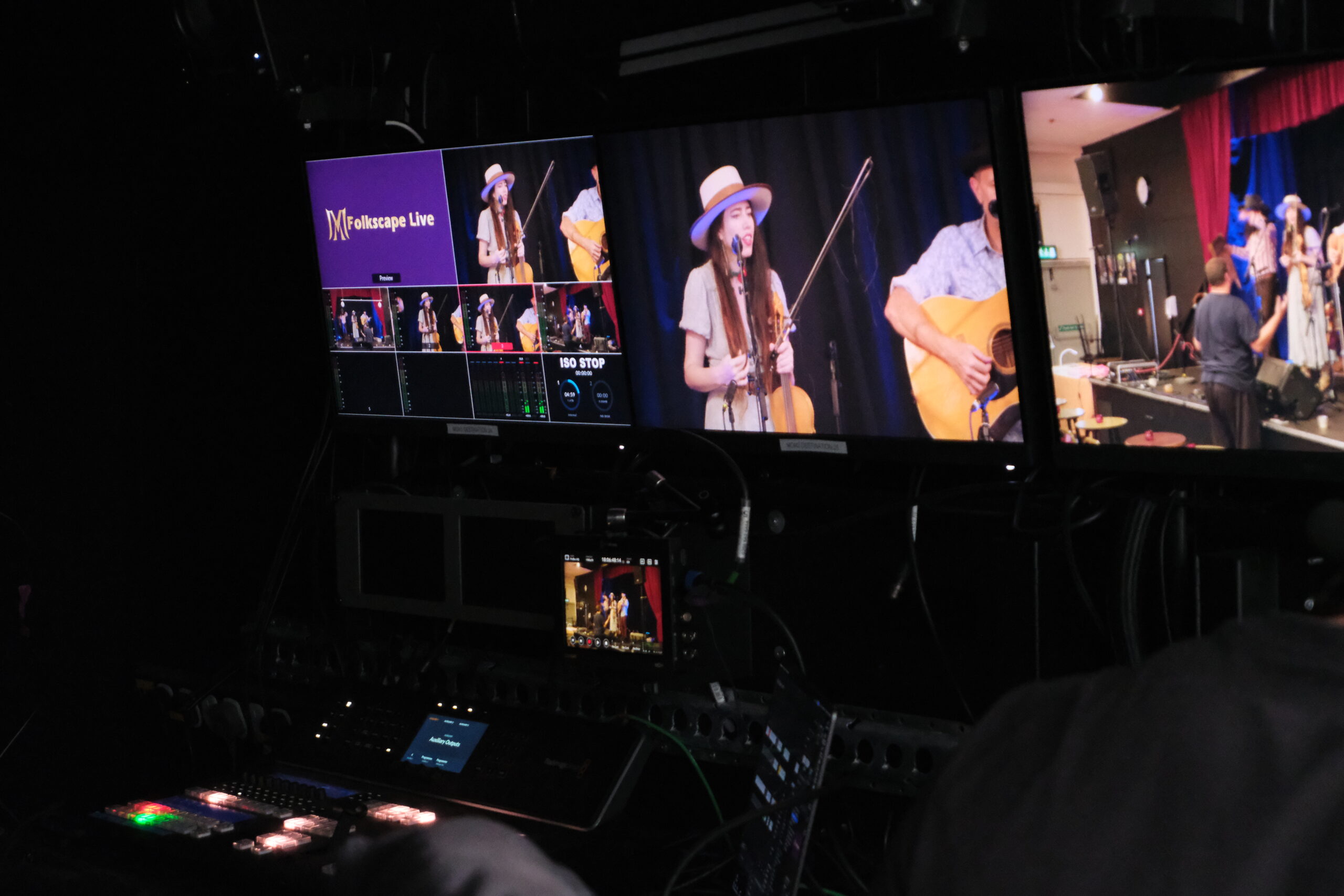
So we plan it as a production rather than turning up with a camera. A director cuts it live against your running order, audio comes off the sound desk so the online audience hears what the room hears, and you get the programme record afterwards whatever the stream did.
We work with festivals and touring productions, councils and NHS trusts, universities, housing associations, theatres and promoters. The scale changes enormously between those. The standard does not.
And the answer is sometimes no. If a single fixed camera on a free platform does what you need, we will tell you on the call rather than quote you for a crew.
By event type
Council chamber to main stage.
Every one of these has its own trap. The pages below go into what actually matters for each.
How it works
Sorted well before doors.
A call about the event
The venue, the running order, who is watching from home, and what has gone wrong before. Thirty minutes is usually plenty.
An itemised quote
Line by line, with insurance and RAMS attached, so it can go straight to procurement. Fixed unless the event changes.
Positions agreed in writing
Camera positions, cable routes, the desk feed, power and get-in times, agreed with your venue and AV team before the day.
Rig and prove it early
Cameras up, audio patched, graphics loaded and the stream running end to end while the room is still empty.
Show, then handover
We run it quietly, and you get the recording from a separate path plus the viewing figures afterwards.
Where it goes
Public, private, or both at once.
On the day
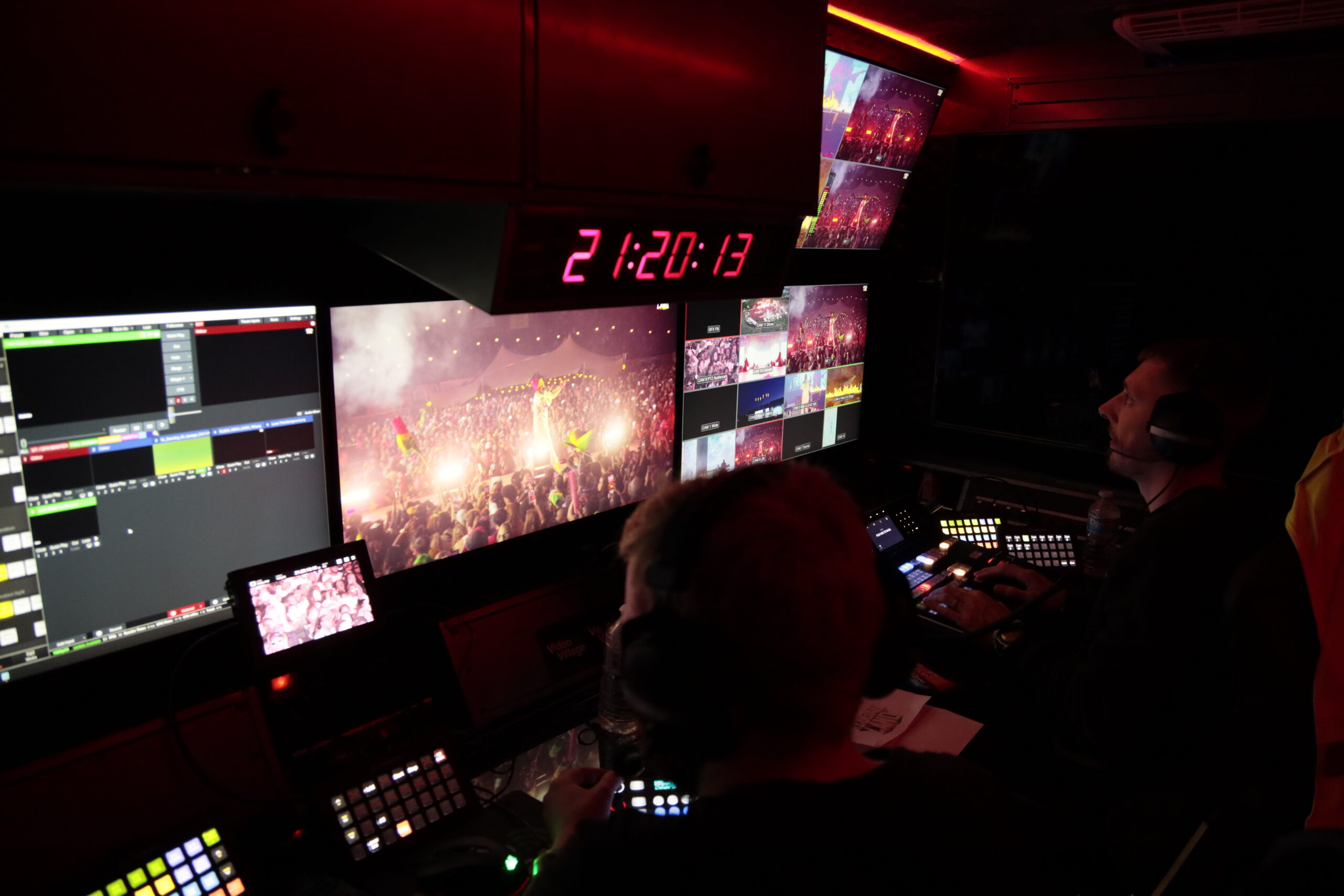
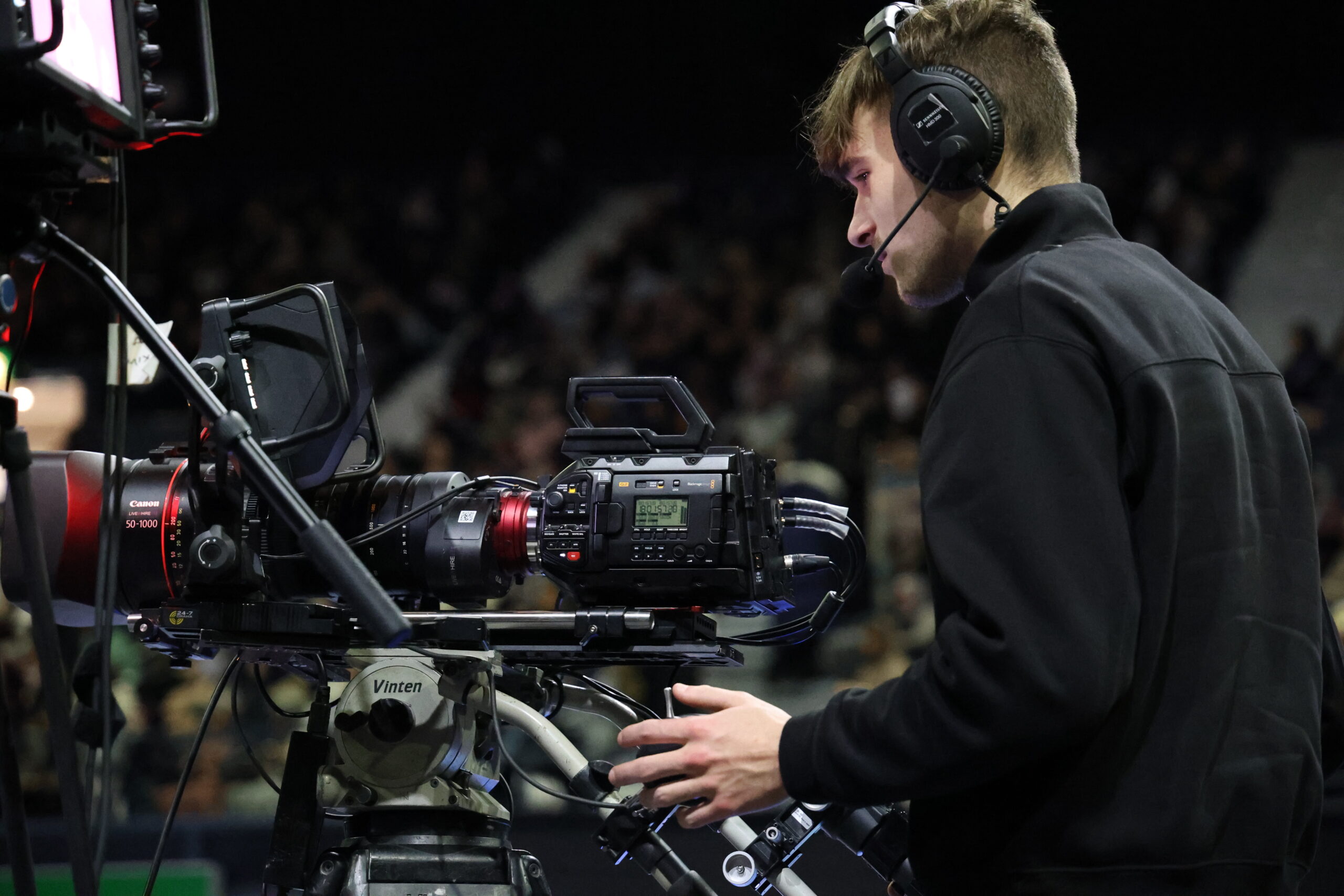
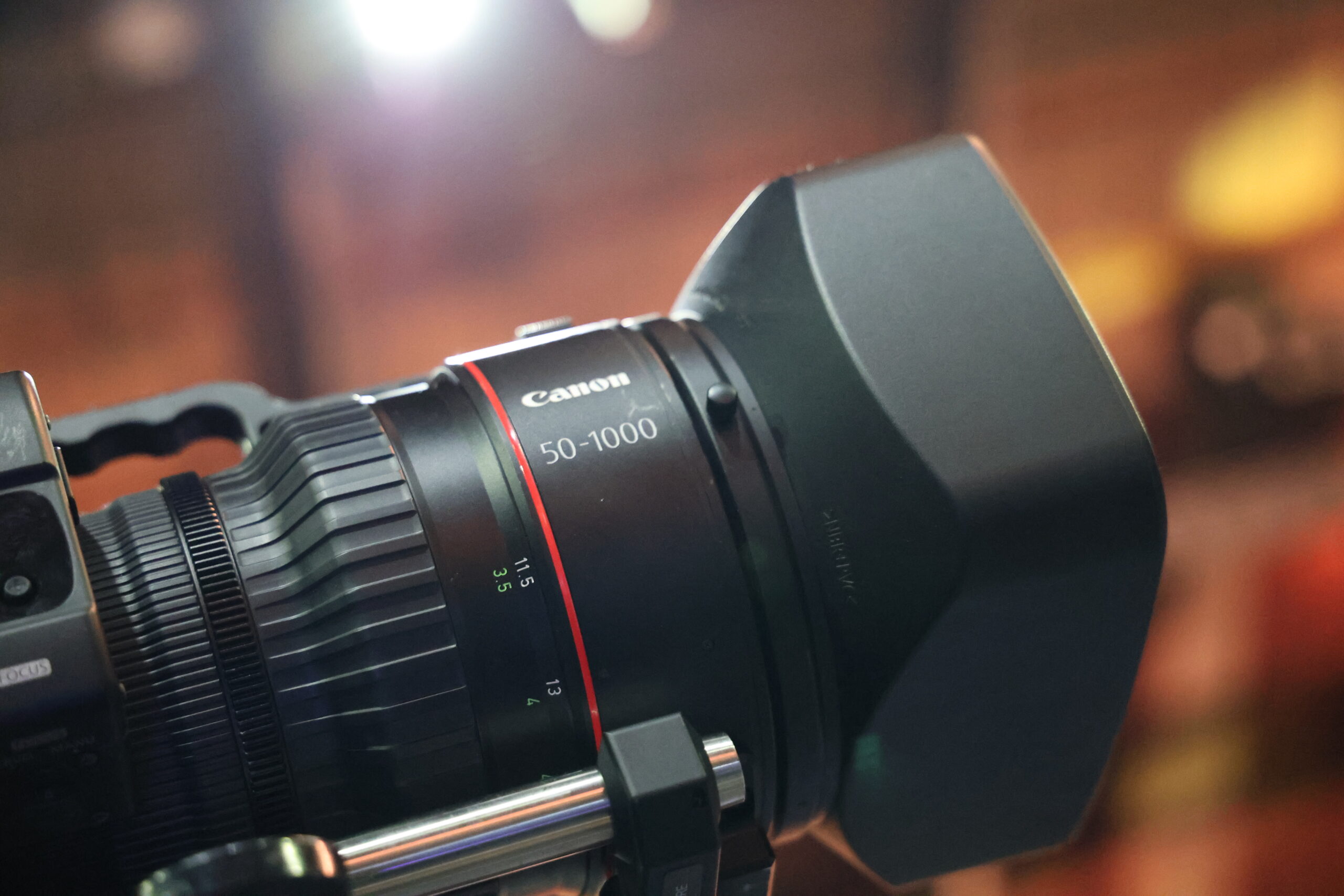
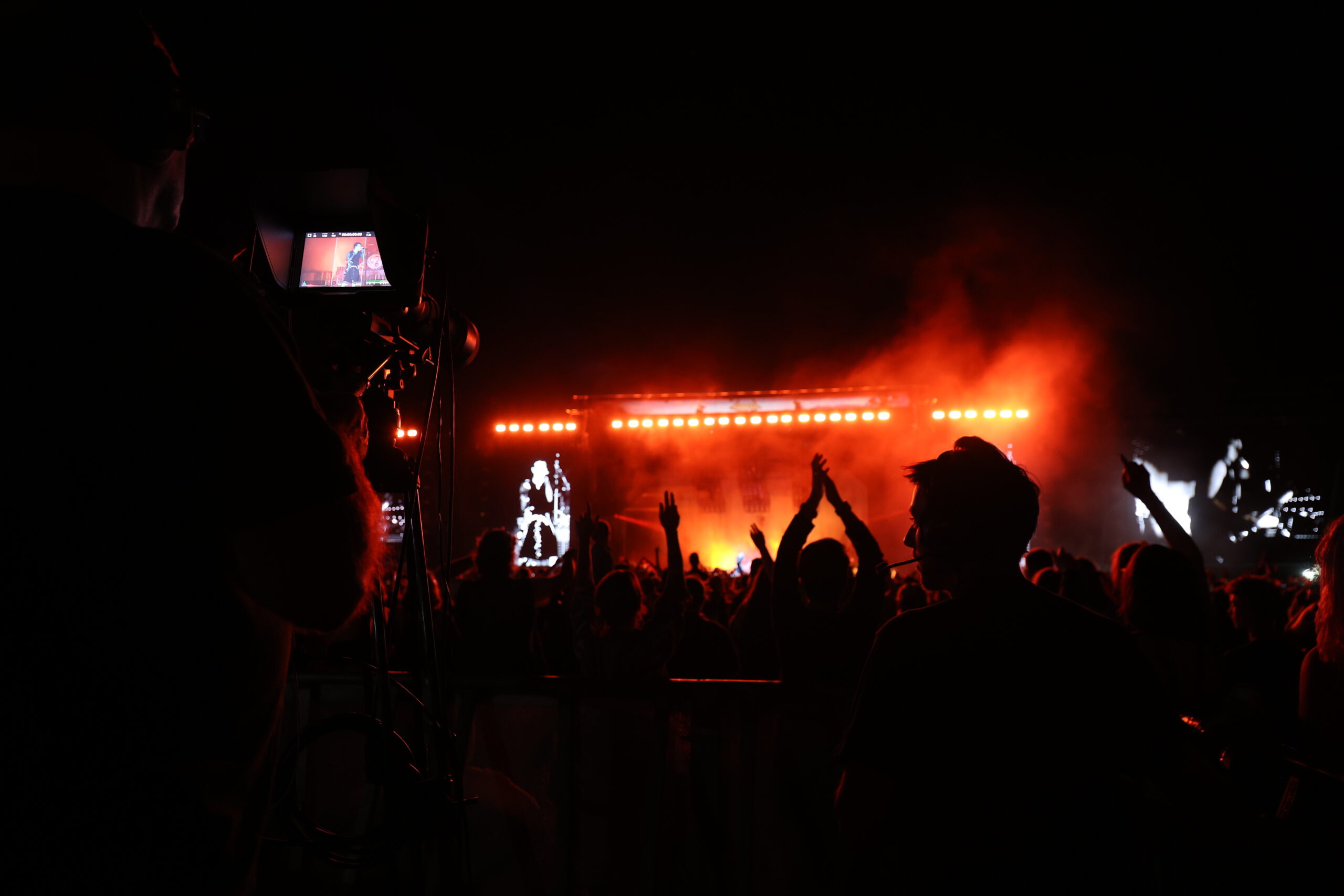
What it looks like when we turn up.





Often booked together
The stream is rarely the whole job.
Where we work
Based in the North East. Working everywhere.
Travel and accommodation are quoted as their own lines rather than buried, so you can see what distance actually costs. These pages cover the cities we work in most.
Questions people ask first.
How many cameras does a live stream need?
Most events sit at two to four. One camera is right for a talk or a service where people mainly want to hear it. Three or four gives you a wide, a close shot and a reaction angle, cut live by a director. Beyond that, cameras only help if there is someone cutting them properly.
What internet do you need?
Where a venue has a dedicated, tested line we will use it, and it is often the best option available. What we will not do is put a broadcast on shared guest WiFi. Bonded 4G and 5G across multiple carriers plus Starlink travel with us to every job either way, so if the line drops mid-show the stream does not.
Can you stream to more than one platform at once?
Yes. YouTube, Facebook, LinkedIn, Teams, Vimeo, a ticketed platform or your own website, and more than one at the same time. A public feed and a password protected feed can run side by side if part of the event is internal.
Do you handle audio?
We take a clean feed from the venue sound desk and mix it for the stream, with an ambient microphone rigged as backup. To be clear, this is broadcast audio. We do not supply the PA or sound reinforcement in the room.
Can we get captions or BSL?
Yes, and it is planned in from the start rather than added the week before. Live captions and in-vision BSL are both available, and the archive comes with an accessible transcript. For public bodies with Equality Act duties this is usually the point rather than an extra.
What do we get afterwards?
A programme record as standard, with separate recording paths available where the archive has to survive anything, plus viewing figures and watch time. Chaptered archives, edited highlights and social clips are quoted separately.
When should we use somebody cheaper?
If a single fixed camera on a free platform does the job, or the online audience is a handful of people, a crewed multi-camera production is more than the event needs. We will say so on the call rather than quote for it.
Tell us about the event.
Thirty minutes with the date, the venue and who is watching, and you will know what we would bring, what it costs, and whether we are the right people for it.
Or ring 0191 694 1001