

Hybrid usually means the online half is an afterthought.
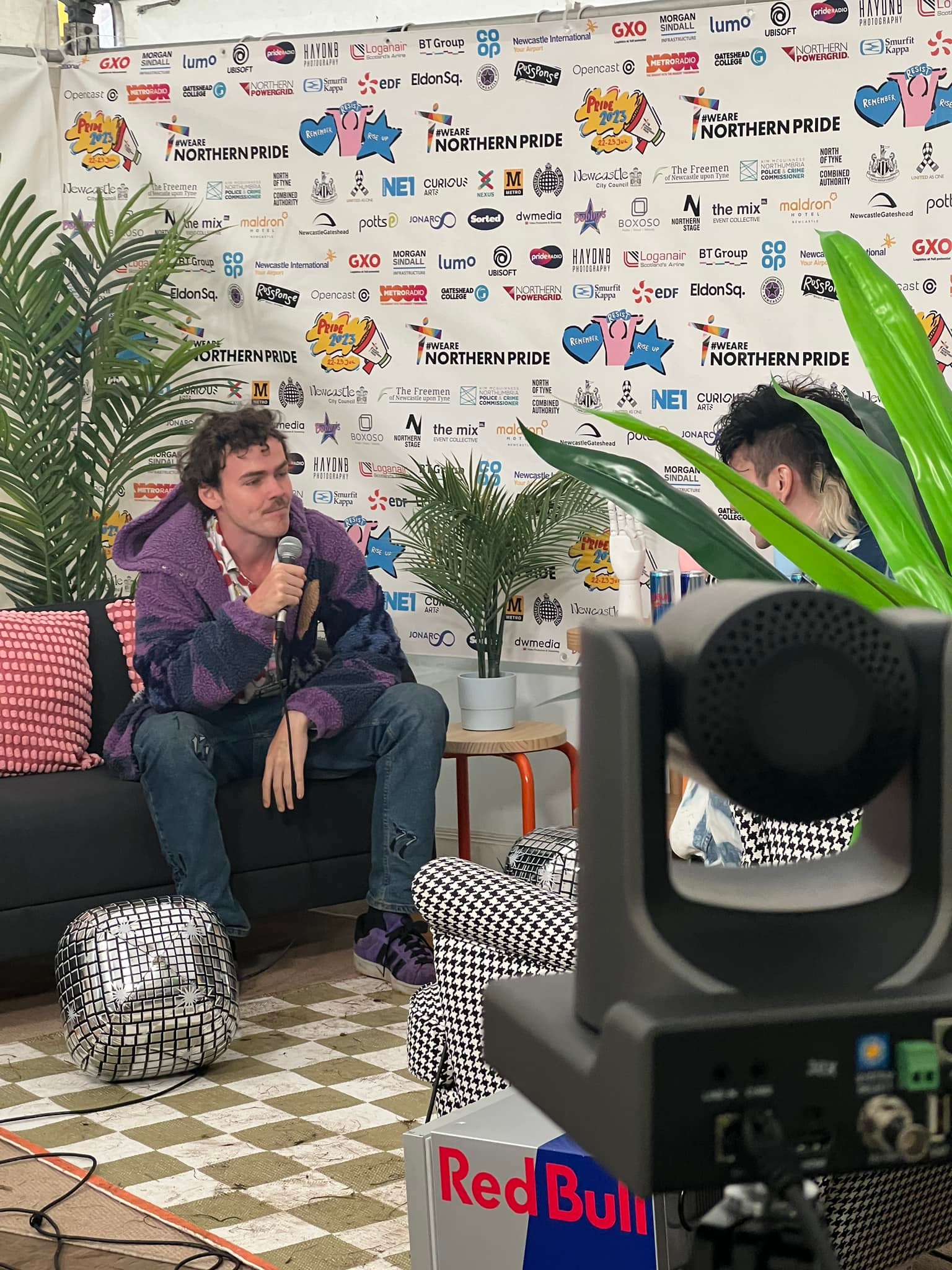
Most hybrid events are a live event with a camera pointed at it. The room gets the show, the online audience gets a wide shot, unreadable slides and applause they cannot hear the point of. They leave, and the attendance report says the format worked.
Doing it properly means treating them as two audiences with one running order. The online feed gets a cut picture, slides as a clean feed, and audio mixed for headphones rather than a hall. Remote speakers get a return feed so they can hear the reaction they are speaking into.
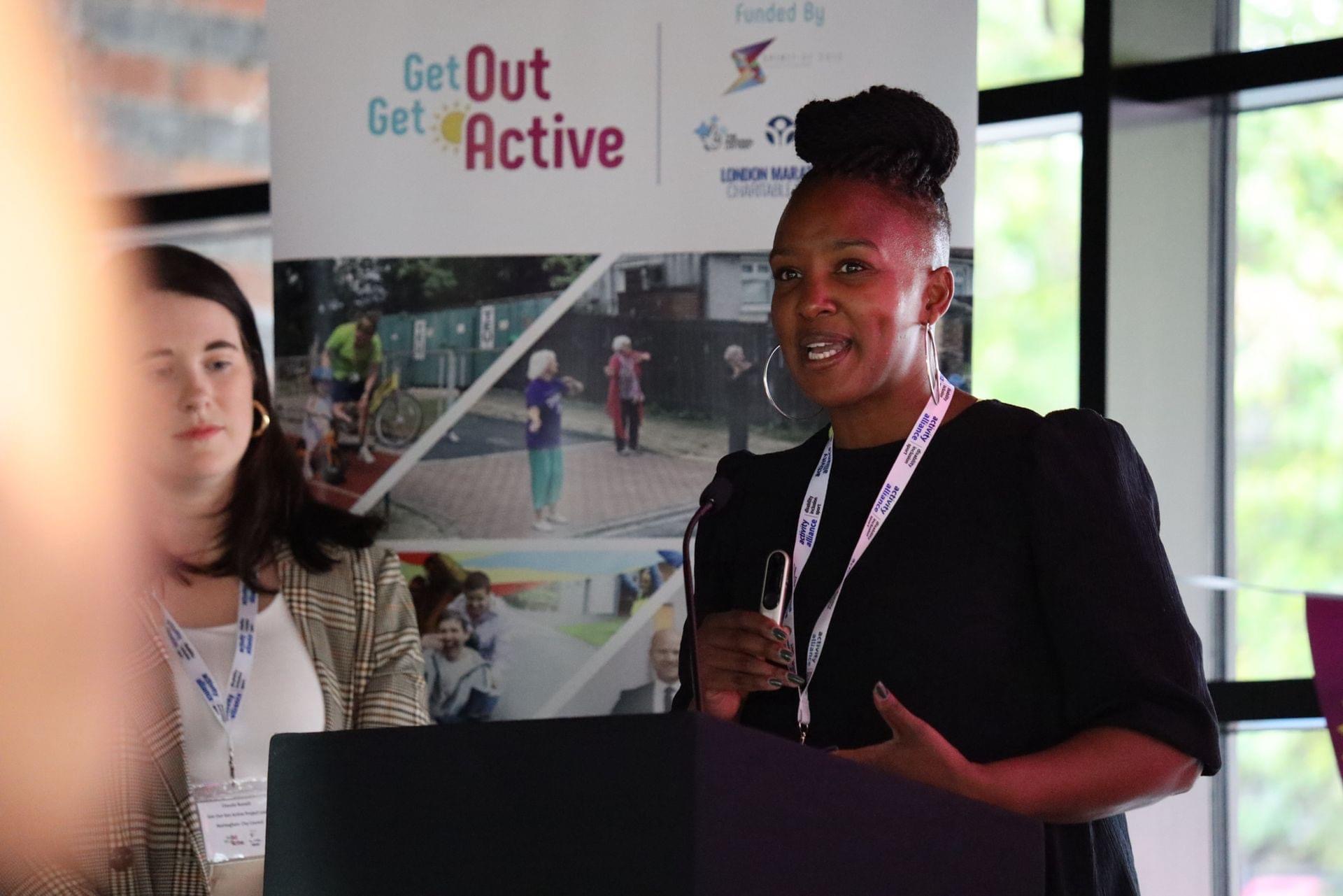
And questions have to work in both directions. A moderated channel that reaches the chair, and a room mic arrangement that means someone at home can actually hear the question being answered.
What hybrid actually needs
Two audiences, one running order.
Questions we get asked.
Why do our online delegates drop off early?
Usually because the feed is a wide shot of a room rather than a show. A cut picture, readable slides and clean audio hold attention for the same content.
Can remote speakers present properly?
Yes. They come in as a proper source with a return feed so they can hear the room and the reaction, and we test their connection with them beforehand.
How do online questions reach the chair?
Through a moderated channel, passed to the chair in a controlled way so the session stays a session rather than a comment thread.
Can the online audience hear questions from the floor?
Only if the room is miked for it, which is worth planning. Otherwise they hear an answer to a question they never heard, which is the most common hybrid complaint.
Can part of the day be private?
Yes. Public and restricted outputs can run at the same time, so an internal session stays internal while the rest is open.
Do you supply the room sound?
No. We take a clean feed from the venue sound desk and mix it for the broadcast. PA and sound reinforcement in the room stay with your AV supplier.
When is a straight webinar enough?
If there is no real room audience and no reason for a stage, a webinar platform does the job for a fraction of the cost. We will tell you that on the call.
Running something hybrid?
Tell us the venue, the audience split and who is joining remotely, and we will tell you what it takes to serve both properly.