
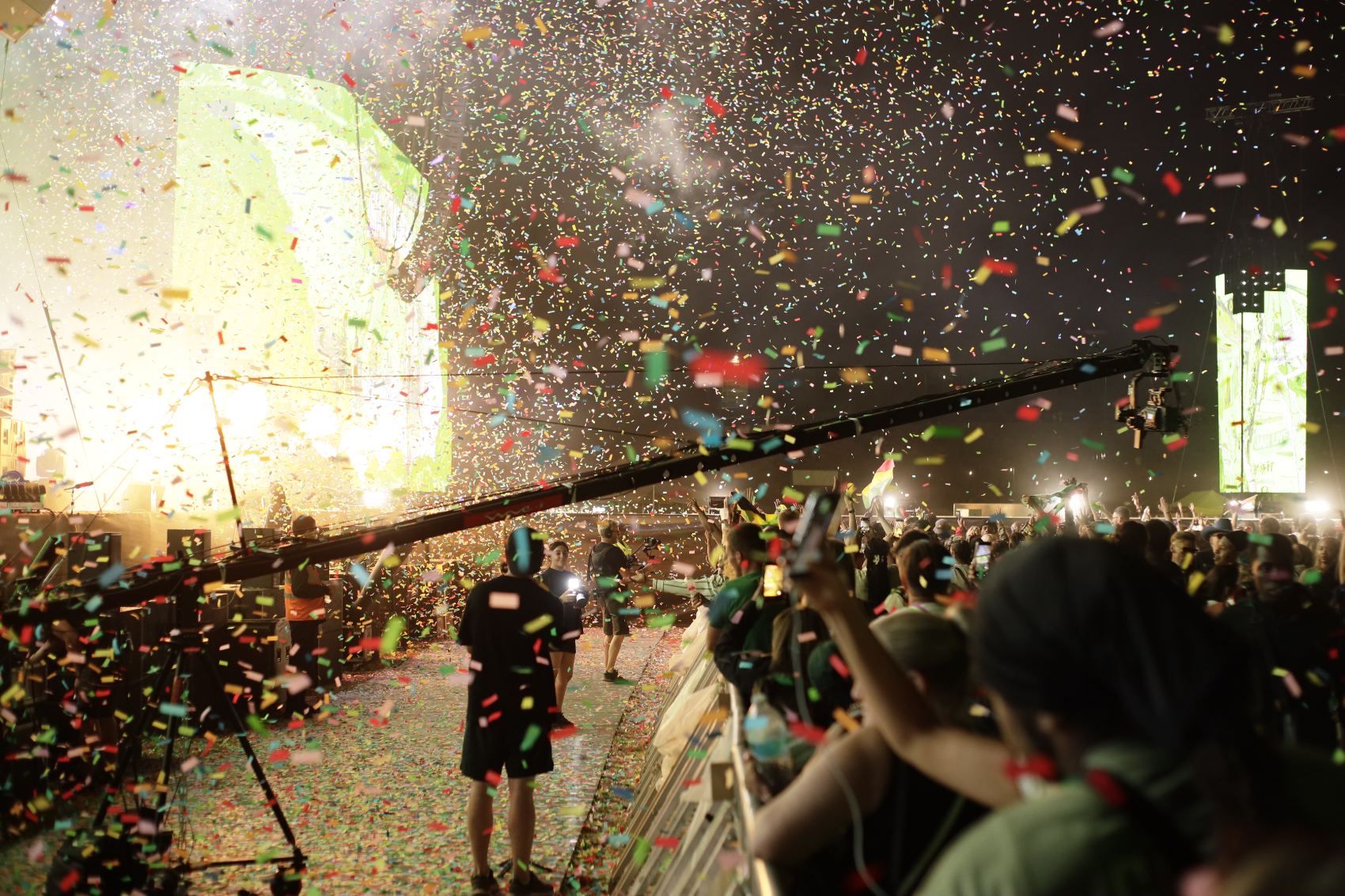
Most people will see your event after it happened.
The live audience is the one everybody plans for, and it is usually the smaller one. The recording is what gets sent round, embedded on a page, put in a funding report and watched by the people who could not be there. It outlives the event by years.
Which is why we treat it as a deliverable rather than a by-product. Recording runs on its own paths, independent of the stream, so an uplink problem or a platform having a bad day does not take the archive with it. You get the programme as cut and the material behind it.
Then there is the short-form. A clip cut during the event and out the same afternoon does more for you than a polished edit a fortnight later, because by then nobody is talking about it.
What you get
Files you can publish.
Questions about deliverables.
What do we actually get afterwards?
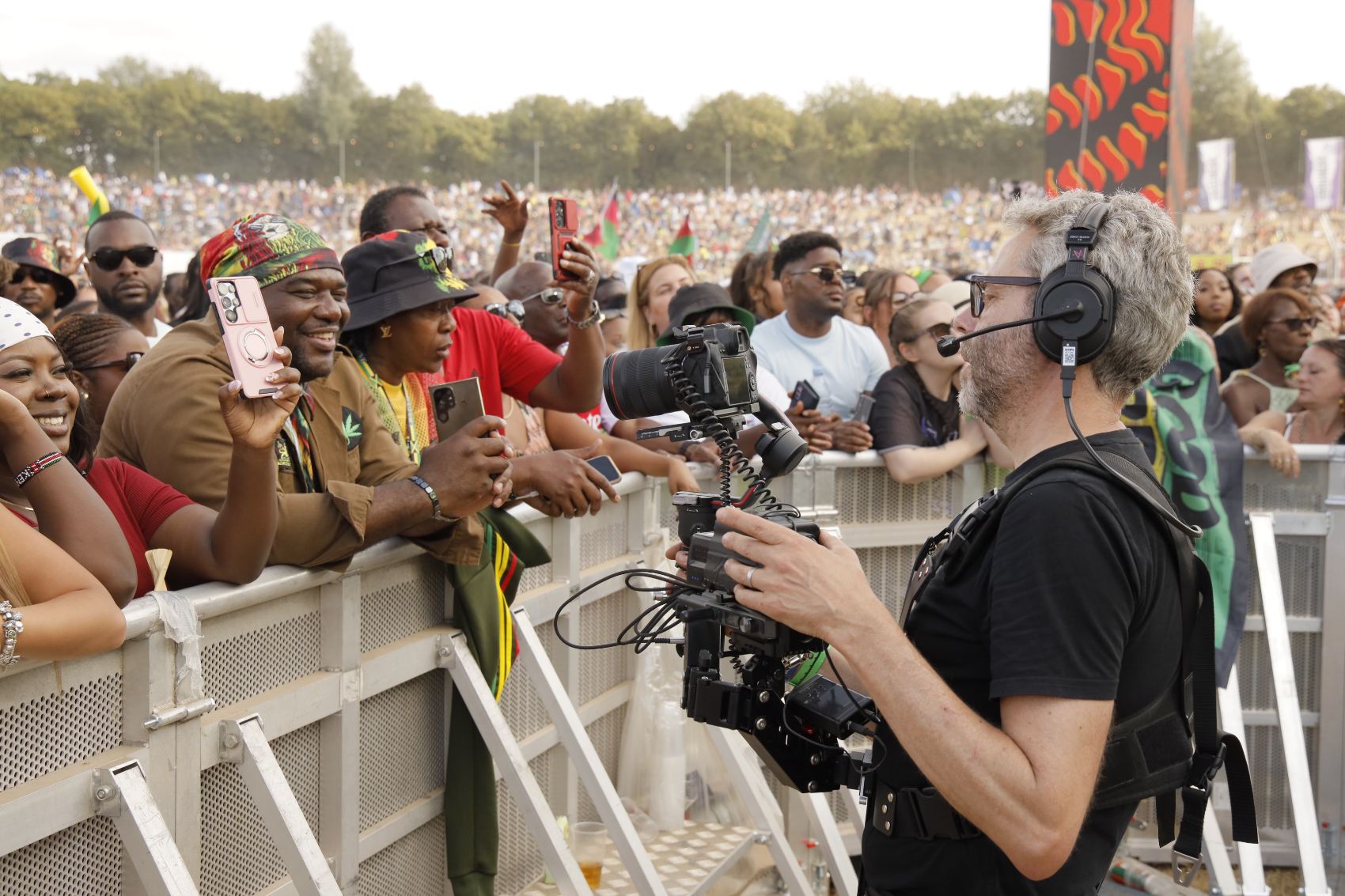
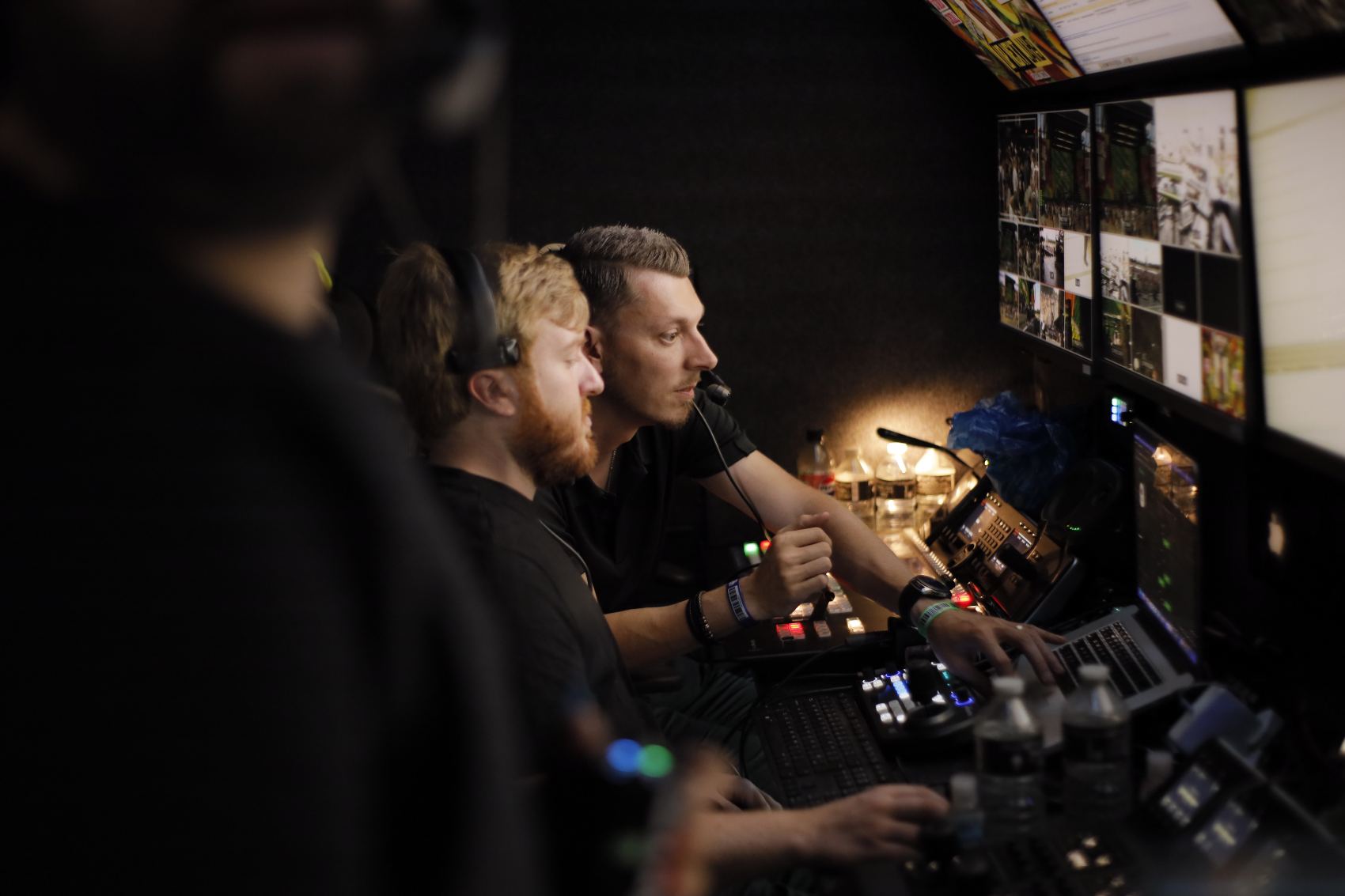
The programme as it was cut, delivered as files you can publish rather than a drive of clips somebody has to make sense of. The material behind it comes from separate recording paths, quoted as an extra. Chaptering and a transcript come with it where that helps.
When are separate recording paths worth it?
Because a live stream and a recording fail differently. A programme record comes as standard, but it comes off the same production, so a serious fault can affect both. A separate path is an extra worth taking when the archive matters more than the broadcast.
Can you cut highlights on the day?
Yes. Short clips edited while the event is still running, so they go out while people are still talking about it rather than a week later when the moment has gone. Longer highlight edits are quoted separately because they are a genuine edit job.
Do recordings need captions?
If the recording stays published for more than fourteen days it counts as pre-recorded content rather than live, which brings it under the standard requiring accurate captions. Most event archives stay up far longer than that, so in practice yes. This is background rather than legal advice.
Can you record without streaming?
Yes, and it is often the sensible answer. Plenty of events want an accurate record and some clips without a live audience at all. Recording only is cheaper than a stream because there is no delivery layer to build or fail.
How quickly do we get it?
Raw programme and recordings promptly after the event, which for most clients is the urgent part. Edited highlights depend on the edit, and we agree a date rather than saying as soon as possible.
Can you edit footage somebody else shot?
Sometimes. It depends what was recorded and how. We will look at it and tell you honestly whether an edit will produce something worth having, because no amount of editing rescues footage that missed the moment.
What do you need afterwards?
Tell us where the recording is going and who has to watch it, and we will tell you what to ask for.