
Guide6 January 2026
Top Mistakes Companies Make When Planning a Live Stream (And How to Avoid Them)
Live streaming is powerful, but small planning mistakes can ruin the result. Here are the most common issues we see, and how to avoid them for a reliable, professional stream.

Daniel Wilkinson
Founder and Operations Director, dwmedia
Live streaming has become a powerful way for organisations to reach wider audiences, whether that’s for corporate events, festivals, conferences, public meetings or live announcements. But while live streaming technology is more accessible than ever, successful live streams still rely on careful planning.
At dwmedia, we’ve supported live streams across the UK for years, and we often see the same issues come up when live streams don’t go to plan. The good news? Most of them are completely avoidable!
Here are the most common mistakes companies make when planning a live stream, and how to avoid them.
Underestimating Internet Requirements
This is by far the most common issue we encounter.
Many clients assume venue WiFi will be “good enough” for live streaming. In reality, public or shared networks are often:
- Unstable
- Heavily restricted
- Shared with hundreds of other users
Live streaming requires consistent upload speed, not just a fast connection on paper.
How to avoid it:
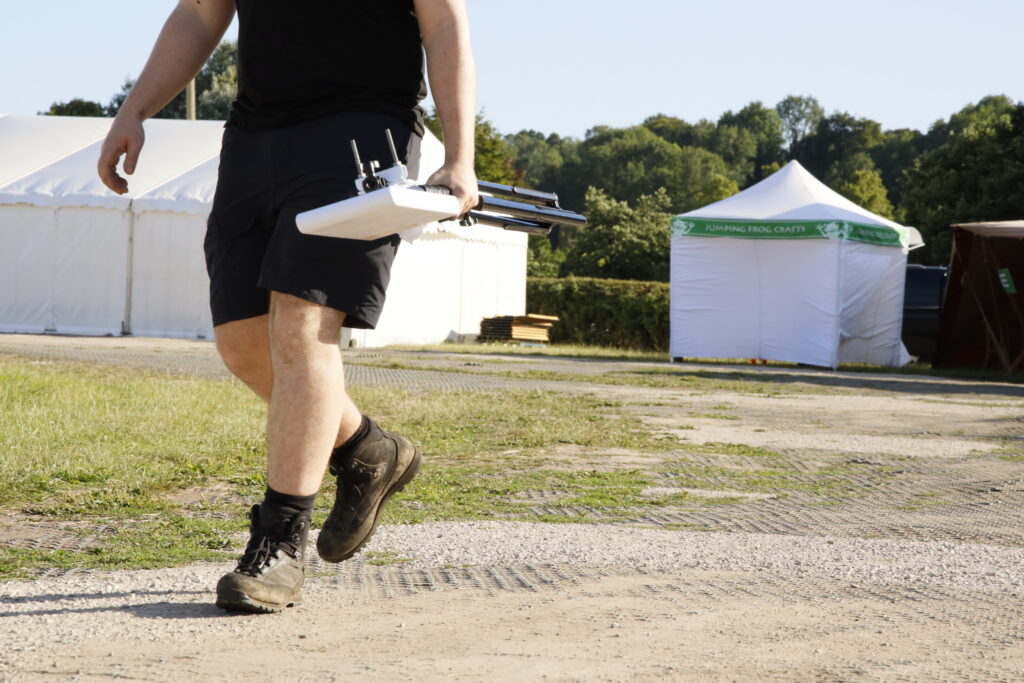
Always assess connectivity early. Professional event WiFi, bonded mobile connections, or dedicated lines ensure your stream stays live even if one connection drops. We will always request physical Ethernet lines rather than relying on WiFi.
No Backup Plan
Live events are unforgiving; if something fails, there’s no “fix it in post”.
Common things that can go wrong include:
- Internet dropouts
- Power issues
- Faulty cables or equipment
Without redundancy, one small failure can take the entire stream offline.
How to avoid it:
Use backup internet connections, backup power where possible, and redundant recording paths. A professional setup plans for failure before it happens.
Poor Audio Planning
Viewers will tolerate average video quality, but bad audio is an instant switch-off.
Typical audio mistakes include:
- Relying on camera microphones
- Poor microphone placement
- No monitoring during the stream
How to avoid it:
Plan audio separately from video. Use proper microphones, mixing equipment, and real-time monitoring to ensure speech is clear and consistent. If you can get a feed from the sound desk in the venue, this is preferred, while some events, like festivals, may require a separate mix.
Not Considering the Viewer Experience
Live streaming isn’t just about broadcasting; it’s about engagement.
We often see streams where:
- Cameras don’t move
- Viewers can’t see presentations clearly
- There’s no branding or context
This leads to disengaged viewers, even if the content itself is strong.
How to avoid it:
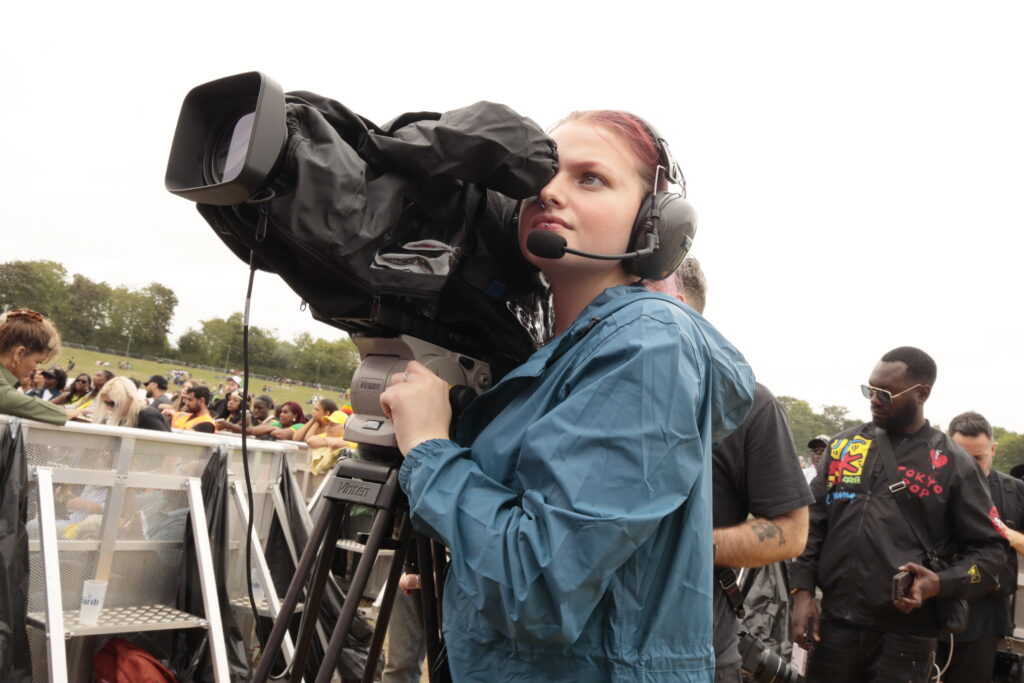
Think like a viewer. Multi-camera setups, clean presentation feeds, simple graphics, and clear framing make a huge difference to how professional the stream feels. We also need to consider what happens during breaks, weather thats an act changeover or interval, keeping the audience engaged is key.
Leaving Planning Too Late
Live streams involve more than turning on a camera. Last-minute planning often leads to compromises that affect quality.
Late planning can result in:
- Inadequate internet testing
- Rushed equipment decisions
- Limited setup and rehearsal time
How to avoid it:
Bring your production team in early. Site visits, technical checks, and rehearsals dramatically reduce risk on the day.
Assuming “Simple” Means “Easy”
A single-camera live stream might sound straightforward, but it still requires:
- Stable connectivity
- Reliable audio
- Correct platform configuration
- Monitoring throughout the event
Even small live streams can fail if treated too casually.
How to avoid it:
Match the production level to the importance of the event, not just the size of the audience.
Final Thoughts
Live streaming is an incredibly effective tool when done properly, but it’s also one where planning and experience matter.
Avoiding these common mistakes doesn’t necessarily mean increasing complexity; it means working with a team that understands the technical, logistical, and creative challenges of live events.
At dwmedia, we focus on delivering reliable, professional live streams that let you focus on your event, not the technology behind it.
Written by
Daniel Wilkinson
Founder and Operations Director, dwmedia
Dan has run live production since 2014, from single-camera council committee streams to sixty-date arena tours. He has worked in 18 UK arenas including The O2, the AO Arena and the OVO Hydro, and covers 16 or more festivals and 30 or more arena dates a year. He writes these from the job rather than from a desk.